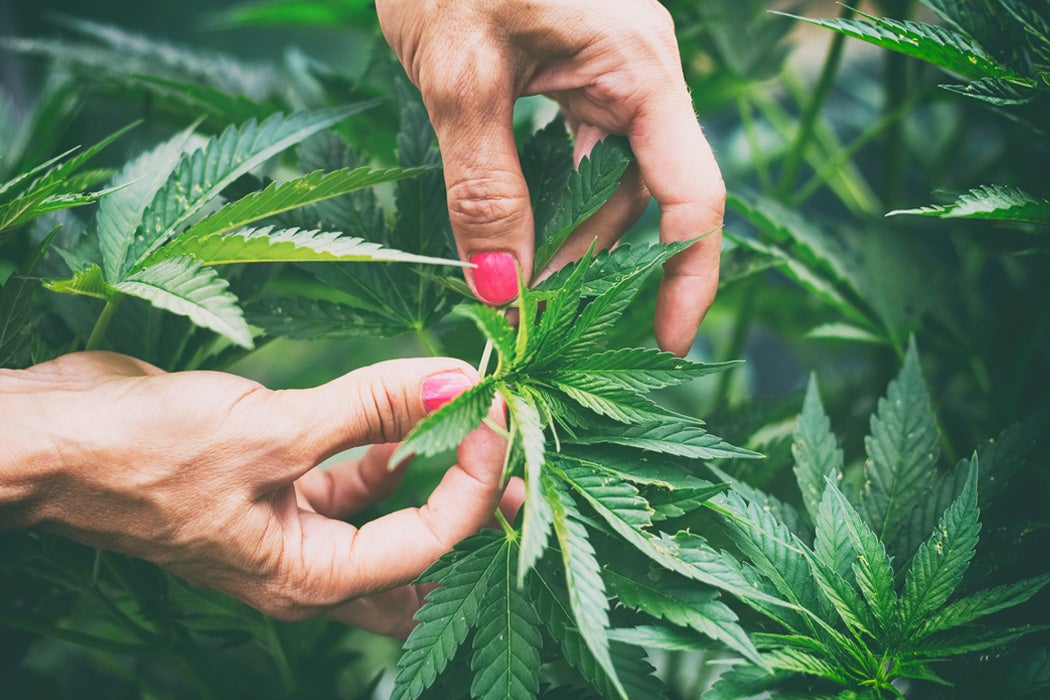
Cannabis legalization has brought a boom in cultivation, both commercial and personal. While cannabis offers many benefits—from medicinal relief refractory epilepsy to economic growth—it also poses significant environmental challenges. Like any agricultural crop, how cannabis is grown affects natural resources, ecosystems, and communities.
In this article, we’ll explore the environmental footprint of cannabis cultivation, including water usage, energy consumption, pesticide impact, and more. We’ll also look at sustainable cultivation practices that aim to reduce harm and protect the planet.
Why Cannabis Cultivation Matters Environmentally
Cannabis is a high-value crop, but it requires intensive resources for optimal growth, especially when grown indoors or in large-scale operations. Factors such as:
Water demands
Electricity use
Chemical inputs
Land use
all contribute to the environmental impact.
With legalization increasing production worldwide, understanding and mitigating this impact is more important than ever.
Water Usage in Cannabis Cultivation
Cannabis plants are thirsty—they need significant amounts of water, particularly during the flowering stage.
Key points:
Outdoor cannabis crops can consume between 3 to 6 gallons per plant per day during peak growth.
In drought-prone areas like California, this water demand stresses local water supplies.
Poor water management can lead to runoff, polluting nearby rivers and streams with fertilizers or pesticides.
Water-efficient practices like drip irrigation and rainwater harvesting are essential to reduce water waste.
Energy Consumption: Indoor vs Outdoor Growing
Indoor cannabis cultivation is energy-intensive, often requiring:
High-powered grow lights (HPS, LED, or CMH)
Ventilation and air conditioning systems
Dehumidifiers and climate control
Impact of indoor grows:
A single indoor grow can use as much electricity as several households.
This heavy energy use contributes to a large carbon footprint, especially if energy comes from fossil fuels.
Outdoor cultivation uses less energy but depends heavily on climate and environmental conditions.
Chemical Use: Pesticides, Fertilizers, and Soil Health
Cannabis farming can involve chemical fertilizers, pesticides, and herbicides to maximize yield and prevent pests.
Chemical pesticides may harm beneficial insects, soil microbes, and contaminate water.
Overuse of synthetic fertilizers can cause soil degradation and nutrient runoff.
Unregulated pesticide use can leave residues in the final product, affecting consumer health.
Many growers are shifting toward organic and integrated pest management (IPM) to minimize chemical inputs.
Land Use and Habitat Disruption
Illegal or unregulated cannabis farming, particularly in remote or forested areas, has caused:
Deforestation
Erosion
Loss of biodiversity and habitat for native wildlife
Even legal grows need careful site selection and land management to avoid damaging ecosystems.
Sustainable Cannabis Cultivation Practices
The good news is that many cultivators are adopting sustainable methods to reduce environmental harm.
Examples include:
Using solar or renewable energy to power indoor grows
Implementing water recycling and drip irrigation
Switching to organic fertilizers and natural pest control
Practicing crop rotation and soil regeneration
Choosing indoor LED lights with lower energy consumption
Building greenhouses that combine natural light with environmental control
Certifications and Industry Standards
As demand grows for environmentally responsible cannabis, certification programs are emerging:
Clean Green Certified: Focuses on organic cultivation standards
USDA Organic (where applicable)
Sustainable Cannabis Program: Encourages best practices for water and energy conservation
Look for these certifications when purchasing if sustainability matters to you.
Consumer Role in Supporting Sustainable Cannabis
Consumers can also make a difference by:
Choosing products from licensed and certified growers
Supporting brands with transparent environmental policies
Asking dispensaries about sourcing and sustainability
The cannabis industry is evolving rapidly—consumer awareness drives positive change.
Final Thoughts
Cannabis cultivation has a noteworthy environmental footprint, especially with the surge of legal markets. From water and energy use to chemical inputs and land impact, growers and consumers alike face challenges in balancing growth with ecological responsibility.
Fortunately, advances in technology, sustainability certifications, and consumer demand for green products are pushing the industry toward a more environmentally friendly future.
By educating ourselves and making informed choices, we can help cannabis be a plant that heals people—and the planet.
 Site Title